Tuesday, July 23, 2013

allium ceva

onions term originated when the commodity was first brought by the merchants from the city of Bombay (now called Mumbay), India, to Indonesia. Onion (allium ceva) includes herbaceous biennial (two crop seasons) is cultivated as an annual (seasonal), except for seed production.

Eastern onions or garlic in the same lineage with red onion (allium cepa L). The difference is not too flashy, except for the shape and smell or aroma. He has a layered bulbs, which are formed from the base of the leaves / layers and subsequently enlarged and united to form rods that change shape and function, grow, and become coated bulbs. The plants themselves have root fibers with hollow cylindrical leaves.

Onions are in the content of allicin, amino acids, calcium, manganese, sodium, sulfur, vitamin C, vitamin E, essential oils, Quercitin, and curcumin Based on research, the ingredients contained by Onions has benefits to reduce cholesterol levels in the blood, increasing the amount of HDL (good cholesterol) by 30%, improve blood vessel constriction and hypertension, relieve colds, relieve abdominal pain, lowers blood sugar levels, prevent cancer, prevent the breakdown of insulin in the liver, stimulates the production of insulin by the pancreas, and press osteoporosis attacks.
READ MORE - allium ceva

Piper nigrum L.

Pepper or pepper (Piper nigrum L.) is a form of whole spices produced by the plant with the same name. Pepper is very important in components of world cuisine and is widely known as an important trade commodity in the Old World. In the past the price is so high that it became one of the triggers of the Europeans to the exploration of East Asia for control of trade and, thus, began the history of the colonization of Africa, Asia, and America. In Indonesia, the pepper is mainly produced on the island of Bangka. Pepper called sahang Local Malay as the language of Banjar, Malay Belitung, Sambas Malays, and others. Some kinds of pepper benefits include: Treating impotence. Read prescribing herbs for impotence. Treat arthritis. Read prescribing herbs for arthritis. Treat malaria. Way, take 1/2 teaspoon pepper and coffee, and brewed with hot water. Drink this mixture before recurrence. In addition, prepare additional herbs also using papaya leaves (take the stem), one piece ireng, 1/4 handheld leaf Tarum, 2 soybean seed rot, and salt. Blend all the ingredients and add 3/4 cup water. Squeeze, strain, and drink 2 times a day. Traditional Treatment for Impotence Materials Needed 100 grams of ginger 1 egg chicken 1 whole large lime 1 tablespoon soy sauce 1 teaspoon honey 7 grains of pepper 3 buds galangal Production Method Ginger grated and squeezed. After that, pour enough hot water. Set aside. Beaten egg until smooth. Set aside. Squeezed lime juice and take water. Set aside. Finely ground pepper. Set aside. Mix all ingredients and mix well. Drink approximately half an hour before sexual intercourse. Traditional Treatment For Arthritis 2 Materials Needed 13 peppercorns thumb-sized ginger black cumin to taste 7 pieces of cloves 2 nutmeg 2 pieces of onion male 200 cc gondopuro Production Method Besides gondopuro, combine all the ingredients and grind until smooth. Then enter into and use to caress gondopuro sick.
READ MORE - Piper nigrum L.

Sunday, July 7, 2013

imperanene apparently


In reed rhizome contained imperanene apparently has the effect of inhibiting the aggregation of platelets (blood clotting cells) according to findings by scientists from universities in Japan. Effects of inhibition of platelet aggregation was similar to the effects of aspirin (acetyl salicylic acid) is used to prevent blood clots in patients with cardiac infarction. A Cylindol contained in reed rhizome has the effect of inhibiting the enzyme 5-lipoxygenase. By inhibition of 5-lipoxygenase, the formation of prostaglandins that cause pain or muscle pain can be blocked. Other materials contained, ie Cylendrene have activity in inhibiting contraction of smooth muscle of blood vessels, so that blood circulation remains smooth. Graminone B inhibits the constriction of blood vessels the aorta (the largest blood vessel). According to the R & D section Sidomuncul, the last two ingredients can cause the blood pressure lowering effect. From the test results it turns out that plants are also called grass has a pharmacological effect or in other words, this plant has the properties: anti-pyretic / lower the heat, hemostatic / stop bleeding, relieve thirst, diuretic / laxative bladder meridian and into the lungs, the stomach also the small intestine. Treating coronary heart using 100 grams of the roots of weeds, 100 grams of lotus root, 25 grams of black ear mushrooms, 25 grams of mushrooms hioko, and 25 grams of dried white fungus dirbus with 800 cc of water until the remaining 200 cc, filtered and potable placenta. For prostate disorders, use 60 grams of the roots of weeds, 30 grams of bitter, and 30 grams of meniran boiled with 600 cc of water until the remaining 200 cc, filtered and potable water. Treating high blood pressure: 100 grams of the roots of weeds, 15 grams meniran, and 15 grams of turmeric boiled with 800 cc of water until the remaining 300 cc, filtered and drunk. Kidney stones, take 60 grams of the roots of weeds, leaves kejibeling 30 grams, and 30 grams of boiled corn silk denan 600 cc of water until the remaining 200 cc, strain and drink the water. Overcoming nosebleed, use 60 grams of fresh reed root and 100 grams of lotus root boiled with 800 cc of water until the remaining 300 cc, water is taken. Gallstones, use 100 grams of the roots of weeds boiled with 600 cc of water until the remaining 200 cc, filter and drink placenta. Asthma: using 60 grams of the roots of weeds and flowers 15 knob boiled with 600 cc of water until the remaining 200 cc, filtered and potable water. Urinary stones, use 100 grams of the roots of weeds, 30 grams meniran, and 30 grams of leaf cat whiskers boiled with 700 cc of water until the remaining 200 cc, filtered and potable water.
READ MORE - imperanene apparently

Friday, July 5, 2013

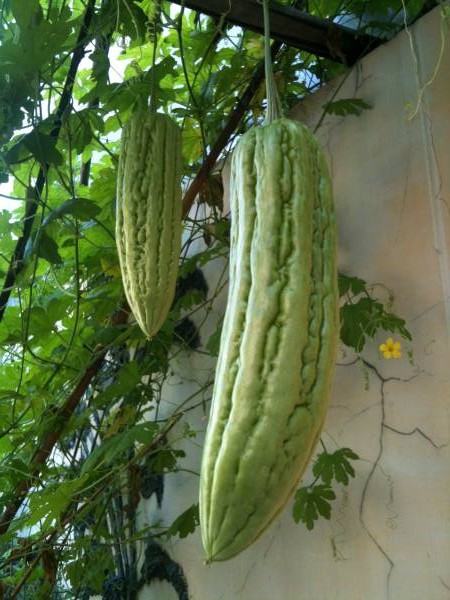
Momordica charantia L


Momordica charantia L
Benefits Pare - Pare plant is a plant that has a fruit that is often used for vegetables. Foods derived from bitter melon is often shunned because it tastes bitter, but hold on the greens with a unique shape and flavor has a myriad of useful properties that you know. Among the health benefits, among others, prevent cancer, heart health, as well as constipation or better known as the difficulty in bowel movements. Want to know why the benefits of bitter melon was amazing? Pare benefits for nutritional content. Yes, despite bitter but nutritional content contained in pare very much. Touted as a source of flavonoids, beta-carotene, lutein and zea-xanthin. Have a high content of vitamin A. Ayng some antioxidants can counteract free radicals and prevent cancer and prevents various diseases lainnya.Pare also contains a low calorie, high fiber, minerals, vitamins and antioxidants. Plants are usually consumed or made by boiling vegetables can also be consumed in juice form. If you want to feel the benefits of bitter melon, can be done by drinking bitter melon juice on a regular basis every day can be used to cleanse the liver, and is also good for people with asthma. How to make bitter melon juice is not difficult. All it takes is 100 grams of melon that has been washed clean. Cut into small pieces to help make it quickly destroyed. Then mixed with water and salt. Furthermore just press the button on the blender. For flavor can be added according to taste. Orange or lemon can be used as an adjunct to acquire tastes better and fresher. For optimal results, make it a habit to drink pare when the morning when the stomach is empty. Pare plants thrive in the lowlands, even rare plants found growing wild in dry fields, yard or other vacant land. Pare is a plant that grows vines or climbing the spiral tendrils, much branched, with single-stemmed leaves are located alternately. The smell of melon plants tolerable sting. Pare the fruit does have a bitter taste, so few people willing to consume. Fruit with a long round shape, with the base of the heart-shaped dark green. Behind it tastes bitter, turns pare saving benefits are amazing.
READ MORE - Momordica charantia L

Syzygium aromaticum


Syzygium aromaticum
Clove is a plant that is often used as a spice because it smells fragrant. This one even spice also found in cigarettes. When added in a dish, clove has several uses, among others, to be able to make food more fragrant and also provide health benefits, including in terms of ease toothache. The scent of fragrant and distinctive cloves. This herb native plants from Indonesia and has been known as a flavoring in many dishes such as world-class in Europe. In Indonesia, the public may be more familiar as an ingredient in clove cigarette. Due to the various advantages of the clove plant, many other countries are also trying to cultivate cloves. One such country is India and Sri Lanka. Cloves have long been known to treat several kinds of diseases. When eaten, the efficacy of this plant is helping melancarkansirkulasi blood in the body. S istem digestion and metabolism also helped when consuming plant cloves. In traditional Chinese medicine has also been known function of its use. Are added to the prescription drug used to treat gastrointestinal disorders and prevent nausea. Can also be used to relieve stress, how to boil water along with the cloves, basil leaves, mint leaves. After boiling water, wait until the temperature drops and the cloves boiled drinking water. Plant cloves also has antiseptic and analgesic properties. With the functions then cloves can be used to relieve pain for people with dental pain. Usually used clove oil clove shaped in a way to shed some cengkh oil into the aching tooth cavity. Analgetiknya antiseptic effect and can clean teeth plus relieve pain. Another form of this is the use of cloves powder form. Ground cloves and ground into a powder. Clove powder is consumed with how licked or eaten little. Efficacy and benefits of clove plants can reduce the nausea and stomach pain.
READ MORE - Syzygium aromaticum

cat's whiskers plant

cat's whiskers plant is a plant that is full of benefits for enough help in the field of medicine, this plant is known in Indonesia is able to treat a variety of diseases, such as diabetes, kidney disease, illness waist aches, cough, sore high blood pressure, arthritis pain, pain constipation and also overcome fatigue was not a lot of benefits untu k cat health whiskers!. You should know that this plant is not native to Indonesia but came from Africa, this plant scientifically called (Stamineus Orthosiphon Benth). This plant grows in areas that have a height of 600 meters above sea level and has a moist soil. Cat's whiskers plant benefits are already known by our society, but in fact what the hell makes this plant has a property that is so in the know people in Indonesia.? Cat's whiskers plant leaves contain essential oils, which comprises 60 species and phenolic sesquiterpens. Contain saponins, flavonoids contain, contain fatty oils, salts containing potassium, contain tannins and several other compounds.

Compounds are compounds provide health benefits. Classification of cat whiskers »Species: Orthosiphon Benth Stamineus »Kingdom: Plantae »Subkingdom: Tracheobionta »Class: Magnoliopsida »Division: Magnoliophyta »Family: Lamiaceae »Order: Lamiales »Genus: Orthosiphon Here is how to use the harness cat whiskers: »Provide 20 leaves cat whiskers »2 cups water »Put water into a pot and cat whiskers »Boil until about the remaining 1 cup course »Drink every day 2 to 3 times That's the cat's whiskers plant information that we often encounter, but we underestimate because we consider weeds, even though this plant has the properties and benefits that we can not take lightly.
READ MORE - cat's whiskers plant

Imperata cylindrica

Imperata cylindrica
Naleueng lakoe (Aceh); Jih (Gayo); Rih, Ri (Batak); Oo (Nias); Alalang, Hilalang, Weeds (Minang Kabau); Lioh (Lampung); Halalang, contingent, Padang, interests, Puang, Buhang, grasshoppers, Bolalang (Dayak); Eurih (Sunda); Alang-alang kambengan (Java); racing, Lalang (Madura); Ambengan, Lalang (baii); Kii, Rii (FIores); Padengo, Padanga (Gorontalo); Deya ( Bugis); Erer, Muis, Wen (Seram); Weli, Welia, Wed (Ambon). FOREIGN NAME: Cogon grass, satintail (En). Paillotte (Fr). Malaysia: thatch, reed. Papua New Guinea: Kunai (Pidgin), Kurukuru (Barakau, Central Province). Philippines: Kogon (Tagalog), gogon (Bikol), bulum (Ifugao). Burma (Myanmar): kyet-mei. Cambodia: SBO ': w. Laos: hnha: z kh'a:. Thailand: yes-kha, laa laeng, koe hee (Karen, Mae Hong Son). Habitat: Grow at elevations up to 2700 m above sea level, in areas open or half-closed; marshes; in soil with good aeration; in areas which open out; riverside; extensive secondary forest; area burned; as a weed in cultivation; gardens and plantations. This plant can affect plant cultivation, because the relatively high sodium needs. Description: Alang-alang (Imperata cylindrical (L.) Beauv.var.mayor ), Stature: herbs, grass, edging, 30-180 cm tall. Trunk: rhizome, creeping underground stems forming an inflorescence erect, dense, sparse hair on his book. Leaves: single, base close to each other, strands; ribbon-shaped, sharp pointed tip, straight, coarse, sparse hair, size 12-80 cm. x 35-18 cm. Flowers: composition compound compound grains, rather furl, 6-28 cm long, each branch has 2 ears, 2,5-5 cm branches, flower stalks 1-3 mm, gluma 1; tip of ciliated, 3-6 veins, Lemma 1 (chaff); wide oval, short cilia 1.5-2.5 mm. Lemma 2 (chaff); elongated, tapered 0.5-2.5 mm. Palea (Husk); 0.75 to 2 mm. Stamens: anthers 2.5-3.5 mm, yellowish white or purple. Pistil: quill-shaped anthers. Fruit: type of rice. Seeds: elliptic, 1 mm long. Flowering time: January-December. Regional distribution, Habitat and Cultivation: In Java grows at altitudes up to 2700 m above sea level, in the areas of open or half-closed; marshes; in soil with good aeration; in areas which open out; riverside; extensive secondary forest; area burned; as a weed in cultivation; gardens and plantations. This plant can affect plant cultivation, because the relatively high sodium needs. Multiplication: multiply by itself. Every time the rhizomes are harvested from plants that have matured. Pale-colored rhizome good, taste sweet and cool. Reeds can cause a decrease in soil pH. The magnitude of the decrease in pH and barriers to the process of nitrification showed a positive correlation with the growth of reeds The content of Alang-Alang: Roots: metabolites have been found in the roots of reeds consists of arundoin, fernenol, isoarborinol, silindrin, simiarenol, kampesterol, stigmasterol, ß-sitosterol, scopoletin, skopolin, p-hidroksibenzaladehida, catechol, chlorogenic acid, isoklorogenat acid, p- kumarat, neoklorogenat acid, acetic acid, oxalic acid, d-malic acid, citric acid, potassium (0.75% of dry weight), a large amount of calcium and 5-hydroxytryptamine. From the results of other studies on the roots and leaves found 5 different flavonoid derivatives ie derivatives 3 ', 4' ,7-trihydroxy flavones, 2 ', 3'-dihydroxy kalkon and 6-hydroxy flavanol. A flavonoid derivatives that likely belonged to the flavones, flavonols substituted 3-0H, flavanones or isoflavones contained in the soluble fraction of the ethyl acetate extract of the roots of weeds. In the fraction of water-soluble extract of the roots of weeds class of flavonoids found no free OH groups, flavones, flavonols substituted 3-0H, flavanones or isoflavones. Efficacy of Reeds: Efficacy reeds are: Parts used for medical drugs is the root. In fact, its roots can be used to lower the temperature, launched urine, stop bleeding, and as a remedy for nose bleeding, vomiting blood, gonorrhea (gonorrhea), hepatitis, kidney infections. The study found that the reeds containing mannitol, glucose, malic acid, citric acid, coixol, arundoin, silindrin, fernerol, simiarenol, anemonin, achine, alkali, saponins, taninin, and polyphenols. Alang-Alang traditional recipe: As urine laxative: 49 pieces dried rhizome, cut into pieces and then coupled with 2 cups of water and boiled until the volume of water to 1 cup, filtered, then taken 2 times a day. Fever bloody urination: 1 spoon full of reed rhizome, boil with a few pieces of pliers kwe (half-ripe fruit flesh beligu made candied dried) in two glasses of water to stay half. This drink 2 cups water 1 day. Urine will be normal and the body temperature down. "Zwartwaterkoorts" (Bld): Drink boiled water as tea alang alang roots.
READ MORE - Imperata cylindrica
 
THANK YOU FOR VISITING