Friday, June 17, 2011

Benefits Jengkol


Benefits Jengkol, If you are a fan of traditional food, you definitely know the things that are round flat, thin brown skin, odorless and many people consumed. The object is Jengkol. Jengkol or Jering or Pithecollobium Jiringa or Pithecollobium Labatum is typical of plants in the Southeast Asia region, including those popular in Malaysia, Thailand and Indonesia especially in West Java, which consumed 100 tons a day.

Jengkol Plant a tree whose height can reach 10-26 feet. The fruit is a pod-shaped flattened and convoluted. Violet color of old men. After the old, the shape becomes convex and fruit pods in place that contain seeds increased its size. Each pod can contain 5-7 seeds. Ari seeds are thin skinned and glossy brown.

Jering or jengkol (Archidendron pauciflorum, synonyms: A. jiringa, Pithecellobium jiringa, and P. lobatum) is typical of plants in the Southeast Asia region. Seeds are popular in Malaysia, Thailand, and Indonesia as a food ingredient. Jengkol including tribal legumes (peas and Fabaceae. The fruit is a flattened convoluted form a spiral shape, old lavender. Ari seeds thin-skinned fruit with a shiny brown color. Jengkol can cause odor in urine after being processed and processed by the digestion, especially when eaten fresh as a salad.

Jengkol known to prevent diabetes and is diuretic and is good for heart health. Jengkol plants are also expected to have the ability to absorb the high ground water making it useful in conserving water somewhere

Jengkol seeds can be eaten fresh or processed. The most common are processed disemur, and known by the Sundanese as ati Maung or "tiger heart". Jokingly people also refer to it as "Levis buttons" because its shape is round buttons associated with the Levi's jeans. Seeds are soft and tender. Texture is what makes it preferable. The aroma is rather like a banana but much weaker. However, not so when it is removed from the urine.

Health Disorders Caused By Jengkol
Besides disemur, jengkol seeds can also be made into chips as well as chips from melinjo, by way of ground / bullied until flattened, dried and fried in hot oil.

The negative effects of smell can actually be reduced by soaking or boiling. The smell of urine at a time can be reduced if taken before and after flushing the urine with a sufficient amount of water.

Besides the smell jengkol can disrupt a person's health due to excessive consumption jengkol cause buildup of crystals in the urinary tract, called "jengkolan". This occurs because jengkol jengkolat high acidic and soluble in water at an acidic pH. Excessive consumption will lead to the formation of crystals and interrupt urination. Risk of jengkolan known to vary in each person, and influenced by genetic and environmental.

Benefits Jengkol
Behind the odor generated jengkol, it contained useful benefits for health. According to various studies show that jengkol also rich in carbohydrates, protein, vitamin A, vitamin B, vitamin C, phosphorus, calcium, alkaloids, volatile oil, steroids, glycosides, tannins, and saponins.

Especially for the content of vitamin C contained 80 mg in 100 grams of seed jengkol, whereas the recommended dietary allowance rate per day is 75 mg for adult women and 90 mg for adult men.

In addition, Jengkol a good source of protein, which is 23.3 g per 100 g of material. Protein levels far exceeding the tempe which is known as a source of vegetable protein, which is only 18.3 g per 100 g. Protein needs of each individual course, vary. In addition to helping the growth and maintenance, the protein also serves to build enzymes, hormones, and immunity. Therefore, the protein substance is often called the builder.

For iron, Jengkol containing 4.7 g per 100 g. Iron deficiency can cause anemia. The symptoms of people suffering from iron deficiency anemia are fatigue, weakness, pale and less passionate, headaches and irritability, inability to concentrate, as well as susceptible to infection. Patients with chronic anemia show the shape like a spoon and brittle nails, cracked at the corners of the mouth, tongue, difficulty in swallowing.

Adolescents, pregnant women, nursing mothers, adults, and vegetarians are most at risk for iron deficiency. In the body, iron partially located within the red blood cells as heme, a pigment-containing nucleus of an atom of iron.

Jengkol also very good for bone health because of the high calcium content, ie 140 mg / 100 g. The role of calcium in general can be divided into two, namely to help build bones and teeth, and regulate biological processes in the body.

Purposes of the largest calcium is at its infancy, but in adulthood is highly recommended adequate intake to maintain bone health. The recommended calcium intake in adults is 800 mg per day.

The content of phosphorus in jengkol (166.7 mg/100 g) is also very important for the formation of bones and teeth, as well as for storage and energy expenditure. Thus, actually many benefits derived from eating jengkol and this is just an input only, not a doctrine that requires you to believe and follow in order to consume jengkol, but only you know that there are benefits behind this smelly vegetable pods.
READ MORE - Benefits Jengkol

Thursday, June 16, 2011

Jamur Enokitake

Jamur Enokitake

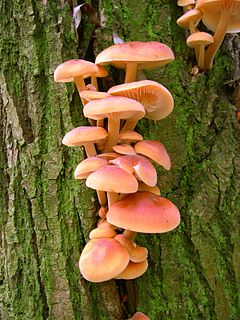
This fungus is widely used in a variety of soup in Japanese cuisine, Korean, Chinese cuisine, and Vietnam. Mushrooms have a crisp texture and fresh flavor. The roots need to be cut before it is used in cooking. Resistant fresh mushrooms stored in the refrigerator for up to one week.

Enokitake very easily cultivated mushrooms and has been cultivated in Japan since more than 300 years ago. Enokitake can be grown at home as long as the temperature is cool enough. In China, these fungi are often used in traditional medicine to treat a bowel obstruction.

This fungus is usually used in food - food that smells of Asia. This fungus is also widely used as salad ingredients (where the best taste of these mushrooms can be enjoyed), soups and also often fried with vegetables and meat.

Enokitake mushrooms contain lots of fiber. These mushrooms also contain lots of protein and some vitamins such as B vitamins, and minerals. One cup of raw mushrooms is estimated to provide 20 calories. These mushrooms also contain no sugar so it is safe for consumption by diabetics and can also be a choice food for diet.

Enokitake Mushrooms also contain compounds which are compounds flammulin anti-cancer and tumors. Fungi Enokitake also believed to stimulate the immune system and also has anti-viral activity and anti-bacterial. In addition, in fungi there are also other compounds that function as lowering blood pressure and lowering cholesterol. Research also informs that Enokitake lymphomia and useful in the treatment of prostate cancer.
READ MORE - Jamur Enokitake

Shiitake mushrooms (Lentinus edodes)overcome the flu


Shiitake mushrooms (Lentinus edodes)overcome the flu

The most widely consumed and produced in Japan, China, and South Korea. About 10% of total world production of mushrooms shiitake mushrooms.

Shiitake is also called 'Chinese Black Mushroom'. This type of fungus known as mushroom consumption since 2000 years ago in the plains of Asia. Shiitake mushroom production in industrial mass was first performed in Japan in the 1940s. Yet the traditional culture has been started since the past 900 years in China.

overcome the flu

In China and Japan, shiitake mushrooms have been used for centuries to fight fever and flu. Lentinan, which was isolated from shiitake mushroom stems, expressed stimulates the immune system, helps fight infection, and showed anti-tumor activity.

Shiitake (Lentinula edodes) or fungi hioko and is often written as shitake mushroom is a fungus food of East Asian origin are known worldwide by its original name in Japanese. Literally means shiitake mushrooms from Shii tree (Castanopsis cuspidata) because the trunk had rotted a place to grow shiitake mushrooms.

This species was once known as Lentinus edodes. English botanist Miles Joseph Berkeley named named this species as Agaricus edodes in 1878.

Shiitake is widely cultivated in China, Korea and Japan and can be found in the wild in the mountainous areas in Southeast Asia.

Shiitake xiānggū in Chinese called "fragrant mushroom", while the high quality with a thicker umbrella called Donggu "winter mushroom" or huāgū "flower mushrooms" because on the top surface of the umbrella there are motifs such as cracks bloom.

In Indonesia, sometimes called mushroom jengkol, because the shapes and smells like jengkol although for some people a sense of this fungus as a banana flavor.

Shiitake is also known as Chinese black mushrooms, because it is derived originally from mainland China and has been cultivated since 1,000 years ago. The first written history of cultivating shiitake Sang Kuang Wu was written in the Song Dynasty (960-1127), although these fungi are eaten by people in mainland China since 199 AD.

In the Ming Dynasty (1368-1644), a doctor named Wu Juei wrote that shiitake mushrooms can be used not only as food but also as a remedy for respiratory disease, blood circulation, relieve liver disorders, fatigue and restore energy boost chi. Shiitake is also believed to prevent premature aging.

Shiitake mushrooms fresh or in dried form is often used in a variety of cuisine in many countries. Fresh shiitake mushrooms are usually eaten before the umbrella of the bottom changes color. Shiitake stems rather hard and generally not used in cooking.

Some people prefer dried shiitake than fresh because the dried shiitake shiitake has a more fragrant scent (hard). Shiitake dried processed by drying in the sun and need to be soaked in water before cooking. Basic broth called dashi Japanese cuisine derived from soaking dried shiitake in water.

In Japan, shiitake is the content of miso soup, fried as tempura, mixed chawanmushi, udon and various other types of cuisine. Shiitake also fried until crisp and sold as shiitake chips.

Russia also produce shiitake in large quantities and sold as pickled in bottles.

Mushrooms are actually originated from China and known as 'Chinese Black Mushroom' was more popular as the typical Japanese mushroom called Shiitake. This fungus is sold in various stores of dried food in Asia. Aside from being a source of food, Shiitake mushrooms are also widely used as medicine. These mushrooms contain amino acids that are needed by the body such as thiamin, riboflavin, and niacin, as well as several types of fiber and enzymes. Shiitake mushrooms also contain ergosterol, which will be processed the body into vitamin D when skin is exposed to sunlight.

Amino acid content of shiitake mushrooms boost the immune system functioning, and overcome digestive disorders, help the process of cholesterol in the liver, relieve colds attack, and blood circulation. Health experts have now discovered that this fungus contained in lentinan could be anticancer, treat high blood pressure, lower cholesterol, and overcome interference with the heart. In addition the research also showed that shiitake mushrooms proved very effective to treat hepatitis B. Shiitake mushrooms proved capable of producing antibodies. The invention was tested on 40 people with chronic hepatitis B. They consume 60 grams of fresh shiitake mushrooms every day for four months. The result, almost all patients with hepatitis B have a reduction in symptoms and 15% hepatitis B virus can be disabled.

Although called black fungus, mushrooms are actually a variety of colors ranging from light brown, dark brown, to gray. Actually, only the surface of the mold with the color of umbrella freckle called by the name of Shiitake Mushrooms. Due to scarce, the price becomes very high. The most expensive type of Shiitake mushrooms Shiitake an umbrella is thick and has a wavy edge that so often referred to as the "Mushroom Flower". In many countries such as Hong Kong, Taiwan, China, Japan and Korea, this fungus is widely used in a variety of local cuisine. Mushrooms are also a typical scented favorite foods in a vegetarian because it is considered as delicious with meat.
READ MORE - Shiitake mushrooms (Lentinus edodes)overcome the flu

Mushroom Merang


Mushroom Merang

Mushroom (Volvariella volvacea, synonyms: Volvaria volvacea, volvaceus Agaricus, Amanita virgata virgata or Vaginata) or Toadstool jeramoe in Acehnese language is one food that many species of mushrooms cultivated in East Asia and Southeast Asia to tropical or subtropical climates.

Approximately 16% of the total world production of edible mushroom fungi. Mushroom (Volvariella volvacea, synonyms: Volvaria volvacea, volvaceus Agaricus, Amanita virgata virgata or Vaginata) or Toadstool jeramoe in Acehnese language is one food that many species of mushrooms cultivated in East Asia and Southeast Asia to tropical or subtropical climates. This fungus has long been cultivated as food for fungi species are categorized as the most tasty and have good texture.

mushroom straw is very good for health, because many contain many properties, among others as antibacterial, antiviral, antioxidant, antitumor, normalize blood pressure, lower cholesterol, boost immunity, strengthen nerves, and be able to reduce stress

Mushrooms are a source of food or foods that contain high nutrition and protein, vitamins, carbohydrates, fiber, minerals, amino acids assensial, fats and unsaturated fatty acids. Just a few years of industrial products ie mushrooms began to receive attention as a raw material for vegetable food, Nugget, Meatballs, chips, even as fresh mushrooms fermented in the bottle
READ MORE - Mushroom Merang

Portabella Mushroom Benefits


Portabella Mushroom Benefits
Venturing culinary journey this time is about portabella mushrooms. This experience I get when I visited her Sunday morning recently GMU is certainly on the day of tho week he3x.

When I pass a stand who sell fried mushrooms, I immediately rushed want to see if it's the food?

After-jubel crowded with many people, finally I got the fried mushrooms, directly deh I menyantanya, just once bite but wow it feels "MAK NYUSS ..." (not a pack Bondan know hehe). Out of curiosity then I ask ya-ya's nguleni powdery mildew is dg + eggs. Apparently the name is a mushroom portabella mushrooms,

Maybe I could say "ndeso" because I just found out about these mushrooms hehe ...

Because I'm addicted dg mushrooms, the next day I was looking directly into the alpha supermarket, but the result was nil hiks2 .. Instead Mbak guard who dont know about the fungus L (wow I mean baseball ndeso ya hehe) .... In the afternoon I went to Hypermart (Intention tenan hehe) and was the same alias hasinya nil but there is the name champignon mushrooms, is similar but smaller in size .. Oops have to look where else that portabella mushrooms huh?

So, for readers of this article, please information about which areas are selling so portabella mushrooms, essential nih hehe ...

Well, to know more about the portabella mushroom, this explanation I give ya a little about mushrooms tersebutJ may be useful.

Portabella mushroom is the result of new development of champignon, mushroom compost or button mushrooms (Agaricus bisporus, Agaricus campestris).

Portabella mushroom Agaricus brunescens has the Latin name and be called by or brown mushroomatau (some call it Portobello mushrooms)

Well, from the Latin names of the above can be seen if the button mushrooms (champignon) and portabella mushrooms are one Genus, but different species of it ..

If you want to know the scientific classification

Kingdom: Fungi
Division: Basidiomycota
Class: Homobasidiomycetes
Subclass: Homobasidiomycetidae
Order: Agaricales
Family: Agaricaceae
Genus: Agaricus

Species: If portabella mushroom Agaricus brunescens =

If the button mushrooms = Agaricus bisporus, Agaricus campestris

Then differentiate how ya? Above I show the shape in the form of images (seen ya) if you do a bit black and portabella mushrooms in the colors white button mushrooms.

Innovation of this fungus is the result of the hard work of the experts the United States "(WAH INDONESIA WHEN Mushrooms can make innovation yes, but Indonesia's rich natural resources will really) hehe ..." Let us empower our human resources to exploit our natural resources hehe. .

Portabella Mushroom Benefits

The content of chemical compounds contained in the portabella mushroom fruit body quite a lot too you know ... In addition to protein and fat are very low, there is also a B-complex vitamins-riboflavin, niacin, and panthotenat-as well as some minerals such as Na (sodium), K (potassium), and Se (selenium) and other materials as anti-oxidants and anti-cancer properties.

It is not surprising that the presence of sufficient portabella equipped with a compound useful / efficacious always associated with the benefits and usefulness for (among others) preventing / treating malignancies of the present.

As a health food, portabella very good / suitable for those who are dieting to lose weight (NIH THIS MY Addicted BANGET BIKIN D hehe). Because in addition to low fat content, high fiber content of this fungus.

Portabella also be a food that is full of benefits for people with diabetes mellitus / diabetes mellitus and hypertension / high blood pressure. This fungus is very helpful in the regeneration of body cells, especially after illness.

The same fungus is believed to be prevented as early as possible as well as inhibit the growth of cancer cells, especially for prostate cancer and breast cancer (but I have not found research).

Other efficacy is to prevent the blockage of blood vessels that lead to strokes and high blood pressure, eg on the head until there is bleeding.

Thus, portabella mushrooms consumed regularly can help maintain and improve fitness and health.
READ MORE - Portabella Mushroom Benefits

Champignon, mushroom compost or button mushrooms


Champignon, mushroom compost or button mushrooms (Agaricus bisporus, Agaricus campestris) is a species first cultivated wild mushrooms since hundreds of years ago. This fungus has the organoleptic (taste, aroma and appearance) is high, exciting, and delightful, than the value of a profitable business because of the many fans. Button mushrooms are particularly popular in the region has four seasons as some regions in Europe, the United States, also Asia and Africa.
In fact, through engineering technology by choosing the high ground and maintaining indoor environmental regulation, at several places in Indonesia such as Bandung, Dieng, Bumiayu, and Brastagi, cultivation of mushrooms can be implemented properly. Mushroom, mushroom rice, supa pare (volvaceae Volvariella, Volvariella esculenta) is a type of wild mushrooms are cultivated both for having organoleptic value, good business, and profitable, especially in the tropics. Champignon mushroom rice and mushrooms, including non-timber group.
While the shiitake mushrooms or hioko and donko (Lentinus edodes) is a fungus that first timber of wild life (as an example is found in the forests of East Kalimantan) with a stick on dry or weathered wood. Wood fungus was first cultivated it also has high organoleptic value and medicinal, so quickly accepted by society. Shiitake for example, can lower cholesterol and sugar content in blood.
In the late 1990s, the order of the type of commercial yeast produced on a large scale everywhere because it has huge business value to billions of U.S. dollars, among others: champignon, produced up to 1.25 million metrik-ton/tahun. Shiitake produced up to 265,000 metrik-ton/tahun, mushroom (manufactured to 70,000 metrik-ton/tahun), and there is a new additional type, namely winter mushroom (Flammulina velutipes) with production of up to 68,000 metric tons. Ear fungus, supa lember or Hiratake (Auricularia polytricha) produced up to 65,000 metric tons. In Indonesia in terms of amount, the highest ranking are retained by the fungus of rice, followed by ear mushrooms, oyster mushrooms, shiitake mushrooms, and champignon.
However, judging from the business value and extent of trade, then the first rank is held by a shiitake mushroom, champignon, ear fungus, followed by mushroom rice. You see, mushroom rice in Indonesia related to pesticide residues has been dragged along with rice straw (as a raw material cultivation), so that only eligible for local consumption only. In the highlands champignon which was originally produced in the Dieng plateau highlands are now moving to Bumiayu (Brebes-Noida border) and Pangalengan (Bandung). This fungus appears to have potential markets and generate higher income, both as fresh commodity (untreated) or as processed commodities grown in Indonesia is Agaricus bisporus. Seed from the Netherlands, Taiwan, and the United States. The color white mushroom Agaricus bisporus with hood size 3-5 cm in diameter. High stalk to 6 cm, while the size of buds 2-3 cm diameter. There are also types of Agaricus campestris from Australia and France, which has a size and color is almost identical to the first.
Unfortunately Indonesia does not include champignon producer countries, although Indonesian products in the form of fresh or processed products have entered the world market. The Indonesian market is primarily in Singapore, Hong Kong, Australia and the United States, although still in limited quantities. United States listed as the first country's largest producer of champignon (246,000 metric-tons), followed by France (160,000 metric-ton), China (140,000 metric-tons), Netherlands (93 000 metric-ton), English (84 000 metric-ton), and Taiwan (59 000 metric-ton). Other countries which include producing fungi are Italy, Spain, Germany, South Korea, Canada, and so although the average is still below the 15,000 metric-ton. Portabella mushrooms Population United States and Europe is more recognized as a type of Agaricus mushrooms that have been cultivated, both commonly known as the champignon, white fungus, mushrooms, button mushrooms and a list of names of other regions. Although then the population began to identify and cultivate local fungi-for example in Indonesia with a mushroom / mushroom rice-champignon presence remained to be excellent.
This fungus was not able to be shifted by other fungal species. Agaricus with various kinds became part of the life of the population that can not be separated anymore. Therefore, do not be surprised if later emerged a new kind other than Agaricus campestris Agaricus, Agaricus bisporus and Agaricus bitorquis. Emerged as the result of new development Agaricus brunescens commonly known by the name of portabella mushrooms, portobello mushrooms, or brown mushrooms, the hard work of the United States experts. Cultivation of mushrooms is great interest in the United States, especially the kind for consumption. In fact, later developed also have medicinal mushrooms by various bodies of research and development related. The presence of portabella mushroom-common name in the United States-be competitors tight shiitake mushrooms previously by experts predicted would be a kind of prima donna in the United States, beating the fungus from Japan or China that dominated previously. Whether on the production side as well as from the business, excellence is not much different portabella mushrooms with champignon. The difference is the size of the fungus that 2-3 times larger than the usual champignon and color. When the usual clean white champignon (Agaricus bisporus) or grayish white (Agaricus campestris), the portabella mushroom Agaricus brunescens or brown with the size of the fruit body 2-3 times greater.
Portabella mushroom cultivation generally did not differ with champignon. Required media / compost dipasteurisasikan place, an environment that cold, moist, free / protected from the presence of residual contamination (eg chemical compounds from pesticides), as well as microbial contamination, either bacterial or wild mushrooms. Efficacy portabella mushroom Surprisingly the microbiologist and expert on chemical compounds perjamuran is content contained in portabella mushroom fruiting bodies. In addition to protein and fat are very low, there is also a B-complex vitamins-riboflavin, niacin, and panthotenat-as well as some minerals such as Na (sodium), K (potassium), and Se (selenium) and other materials as anti-oxidants and anti-cancer properties. It is not surprising that the presence of sufficient portabella equipped with a compound useful / efficacious always associated with the benefits and usefulness for (among others) preventing / treating malignancies of the present. As a health food, portabella very good / suitable for those who are dieting to lose weight. Because in addition to low fat content, high fiber content of this fungus. Portabella also be a food that is full of benefits for people with diabetes mellitus / diabetes mellitus and hypertension / high blood pressure.
This fungus is very helpful in the regeneration of body cells, especially after illness. The same fungus is believed to be prevented as early as possible as well as inhibit the growth of cancer cells, especially for prostate cancer and breast cancer. Other efficacy is to prevent the blockage of blood vessels that lead to strokes and high blood pressure, eg on the head until there is bleeding. Thus, portabella mushrooms consumed regularly can help maintain and improve fitness and health.
READ MORE - Champignon, mushroom compost or button mushrooms

Oyster Mushroom


Oyster Mushroom (Pleurotus sp.)

China is a major producer of oyster mushrooms. About 25% of the total world production of mushrooms oyster mushrooms. Oyster mushrooms / shimeji also known as a popular name and scientific name Oyster Mushroom Pleurotus ostreatus. Stalk hood resembles oyster shells with the middle slightly concave and white to cream colored.

There are several types of oyster mushrooms and white oyster mushrooms, pink oyster mushrooms, oyster gray, brown and oyster mushrooms. Oyster mushrooms are best known and most appreciated by the public so that the most widely cultivated oyster mushrooms are white.

In the wild, oyster mushrooms can be found almost year-round in the cool mountain forest areas. Fruiting bodies are seen piled up on the surface of an already decaying tree trunks or main stems of trees had been felled.

Mushroom cultivation is relatively simple. Oyster mushroom growing medium is usually maintained with sterile sawdust packed in a plastic bag.

Usefulness of Fungi

Fungal efficacy for health is evident. Besides containing a variety of essential amino acids, fats, minerals, and vitamins, there is also an important substance that affects the medical aspect. Since centuries ago, the fungus has become a special diet so many people become fans.

It's hereditary Japanese society and China complement the menu with the mushrooms. Not only the delicacy of flavor, but also high in nutritional value. The ancient Greeks believed, eat fungi cause a person to become stronger and healthier. The result they are more powerful, brave and mighty. Pharaoh, King of Egypt, a famously nasty, heavy hobbyist eat mushrooms. So special, the king described the fungus as a food of the gods.
Nutritional

Not only tasty, nutritional yeast has a pretty good. Contained chemical composition depends on the type and place of growth. From the research, the average mushrooms contain 19-35 percent protein. Compared to rice (7.38 percent) and wheat (13.2 percent), it is higher protein yield. Essential amino acid found in mushrooms, some are nine types of the 20 known amino acids. What is special about 72 percent unsaturated fat, mushrooms also contain various kinds of vitamins, including B1 (thiamine), B2 (riboflavine), niacin and biotin. In addition to micro elements, mushrooms also contain various types of minerals, including K, P, Ca, Na, Mg, and Cu. Fiber content from 7.4 to 24.6 percent started very good for digestion. Mushrooms have a very low calorie content making it suitable for dieters.

The results of the study at Massachusetts University concluded that riboflavin, Nicotinat acid, Pantothenat, and biotin (Vitamin B) is still well maintained even though the fungus has been cooked. The results of the Beta Glucan Health Center said that the oyster mushroom (Pleurotus ostreatus) contain compounds Pleuran (in Japan, oyster mushrooms called Hiratake as medicinal mushrooms), protein (19-30 percent), carbohydrates (50-60 percent), amino acids , vitamin B1 (thiamin), B2 (riboflavin), B3 (Niacin), B5 (panthotenat acid), B7 (biotin), Vit C and the minerals Calcium, Iron, Mg, Phosphorus, K, P, S, Zn. Can also as antitumor, lowers cholesterol, and antioxidants.

Researchers from Ujagar Group (India) expressed, that the oyster mushroom has a very good nutritional value with reason: 100 percent of the vegetables and clean; high in protein and rich in vitamins, minerals; low-carbohydrate, fat and calories; good for the liver, patients with diabetes , and lose weight; high in fiber helps digestion; antiviral and anticancer; easy to cook and easy to digest, and the oyster mushroom is a fungus that most tasty mushrooms than any other food.

From the research the Department of Science, the Ministry of Industry of Thailand, oyster mushrooms (Oyster Mushroom) have content: protein 5.94 percent, 50.59 percent carbohydrates, fiber 1.56 percent, 0.17 percent fat, ash 1.14 percent. Per 100 grams of fresh oyster mushrooms, contains 45.65 calories, 8.9 milligrams (mg) of calcium, 1.9 mg iron, 17.0 mg of phosphorus, 0.15 mg vitamin B-1, 0.75 mg vitamin B- 2, and 12.40 mg of Vitamin C. Mushrooms also contain folic acid, which is quite high, supposedly able to cure anemia.

For comparison, tempeh is made from soy are rich in fiber and also as a source of various nutrients such as calcium, B vitamins, and iron, have the following content: 204 calories, 17 grams protein, 8 grams fat, 15 grams carbohydrates, 80 mg calium, Fe (Iron) 2 mg, and 0.2 mg Zn.

Can be compared to chicken meat protein content 18.2 grams, 25.0 grams of fat, but carbohydrates and 0.0 grams of Vitamin C is also 0.0 grams. Thus, nutritional yeast is still more complete, so no one when it is said fungus is a food of the future.

Antikolesterol

Mentioned that the researchers suggest that the cancer disease should humans consume red meat no more than three ounces per day or less. The meat is beef, buffalo, goats, and pigs that can lead to higher risk as a cause of colon cancer, and also the possibility of breast, prostate, pancreas, stomach, and kidney cancer. Small chance of getting cancer when eating chicken and fish, and in some cases may even fight cancer. In this connection, to the happy eating a burger recommended interspersed with chicken, seafood, vegetables, and mushrooms (Anonympus, 1999).

Currently some of the mushrooms used as drugs to fight cholesterol, cancer, and AIDS. Active compounds contained mushrooms reportedly can be as antifungal, antibacterial, and antiviral can boost the immune system and can kill insects and nematodes. In 1960, the researchers managed to find some mushrooms as an antitumor effect. The active component in question is polysaccharida, and in particular is a Beta - D - glucans. As a standardized product of the oyster mushroom (Plurotus ostreatus and P. eryngii) called Plovastin the market as a cholesterol-lowering supplements. Plovastin is the active component of statins, as well inhibit the metabolism of cholesterol in the human body.

Results of the study Bobek (1999) from the Research Institute of Nutrition, Bratislava on "Natural products with anti-oxidant hypolipemic and effect". Studies have been conducted in a group with 57 men: women = 1:1, age middle-aged, with cases of hyperlipoproteinemia. During one month they consume 10 grams of oyster mushrooms on a regular basis. Conclusion, statistically very promising, namely serum cholesterol and down 12.6 percent and 27.2 percent triglycerol down. Oyster mushrooms also have antioxidant effects with lower results in peroxidation in erythrocytes.

Beta-1, 3/1-6-Glucan polysaccharida naturally derived from the intensively studied since 1950 as an antitumor and immunostimulating device (trigger immunity). Pleuran is a Beta-1.3 / 1-6-Glucan isolated from oyster mushrooms that have a high content of polysaccharida, commonly used for creams, ointments, suspensions, and powders for skin care in the world by researchers and cosmetics companies for formulation (Example; Estee Lauder and Clinique). Concentration from 0.5 to 2.00 percent. This facial treatment is useful to bind water, moisten the skin and anti-inflammatory. Experiments on 121 patients with chronic acne, given daily for 21 days, his condition improved results are 73.5 percent, 18.2 percent of total recovered.
READ MORE - Oyster Mushroom
 
THANK YOU FOR VISITING